+7 (929) 727 53 60 Traumatology / Orthopedics / Neurosurgery
Allogeneic materials. Qualities, biological affinity and properties
Allogeneic implants from human cadaveric tissues are the best materials for the reconstruction of damage to the tooth-jaw system, as well as in their application. In contrast to auto- and xenoplasty and the use of synthetic drugs, the homeostasis and metabolism of connective tissues and the function of the life support systems of the patient are not disturbed.
Allogeneic materials from bone and other types of connective tissue, that is, alien to the recipient, but taken from a donor of the same species after their special treatment, almost completely lose their antigenicity and do not adversely affect it when placed in the body.
Here they play the role of the matrix, the conductor, and the demineralized bones, the inductor, gradually dissolve completely, and the patient’s own bone tissue forms in their place.
With a rational method of application, such bioimplants provide reparative regeneration, realizing the genetic capabilities of the organism itself - the ability of connective tissues to fully regenerate them.
-
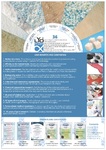
The variety of forms of release Lyoplast for maximum clinical outcome
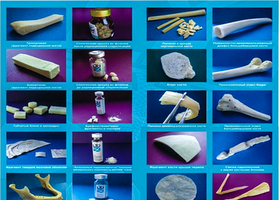 A wide range of standard products (powder, chips, blocks, TMO membranes), adapted (cones) and individual (RBB) forms for all types of bone grafting and gum surgery.
Read more
A wide range of standard products (powder, chips, blocks, TMO membranes), adapted (cones) and individual (RBB) forms for all types of bone grafting and gum surgery.
Read more
-
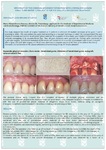
Areas of clinical use of materials "Lyoplast-S" (Samara, Russia)
 The application of materials is based on the principle of individual selection and preparation of a bioimplant based on the principles of phenotypic planning (Nosova MA, Sharov AN, 2017).
Read more
The application of materials is based on the principle of individual selection and preparation of a bioimplant based on the principles of phenotypic planning (Nosova MA, Sharov AN, 2017).
Read more
-
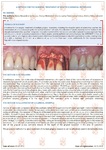
Surgical operations in which materials "Lyoplast-S" are used
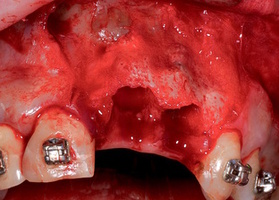 Учитываются анатомо-физиологические особенности пациента, его регенераторные потенциалы, тип кости, качество и объем костной и соединительной ткани, и другие показатели.
Read more
Учитываются анатомо-физиологические особенности пациента, его регенераторные потенциалы, тип кости, качество и объем костной и соединительной ткани, и другие показатели.
Read more
-
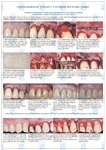
Some scientific facts that formed the basis of the approach to working with Lyoplast
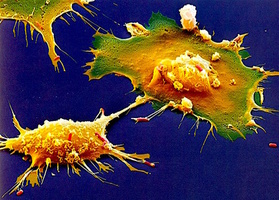 Fundamental discoveries in biology, biochemistry, physiology, biophysics, morphology of human connective and bone tissues that underlie the base of knowledge and technology of Lioplast.
Read more
Fundamental discoveries in biology, biochemistry, physiology, biophysics, morphology of human connective and bone tissues that underlie the base of knowledge and technology of Lioplast.
Read more